 MileMind
Running costs
Buy, finance or lease: which is cheapest over five years?
Three ways to get the same car, three very different total costs. Here's the honest comparison.
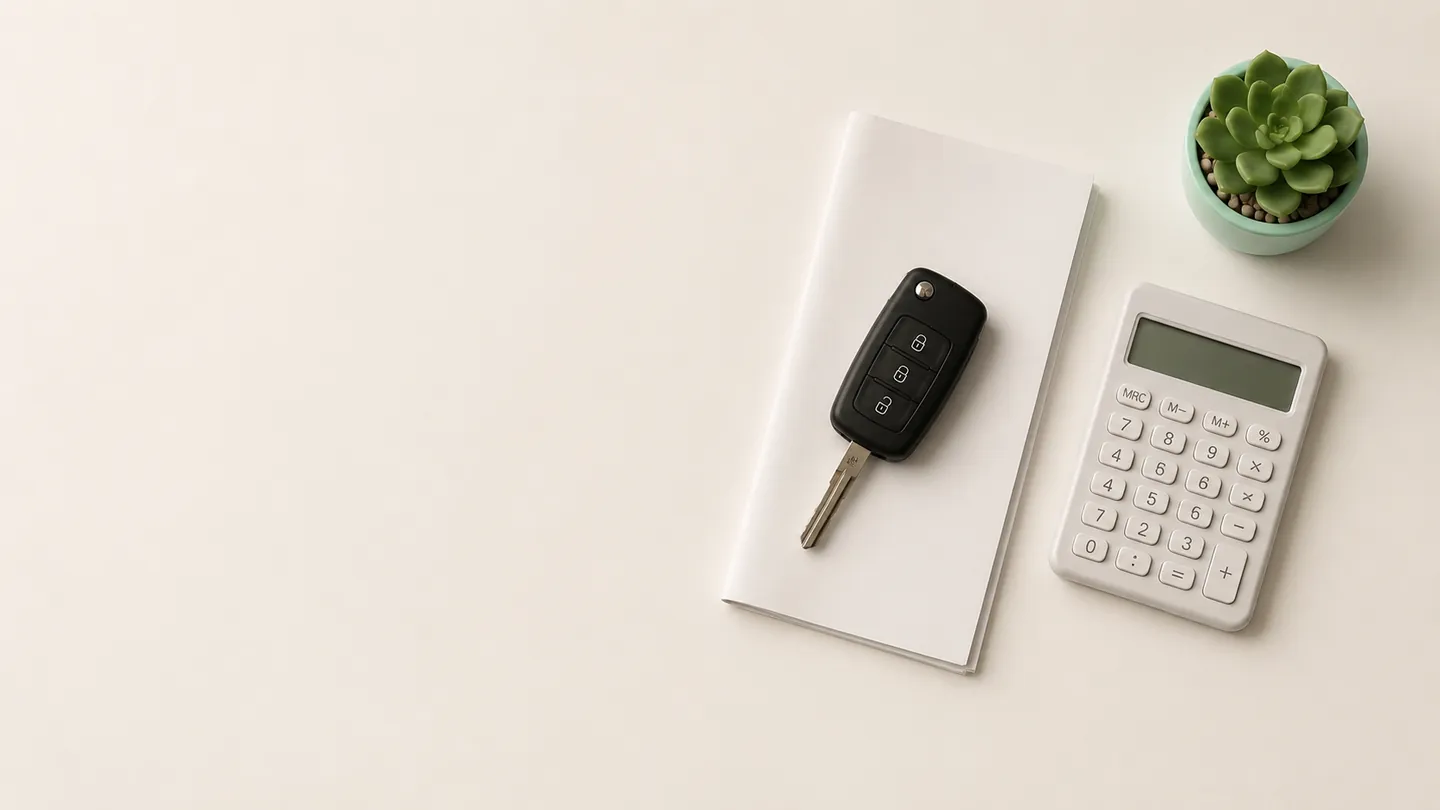
Same car, three ways to pay for it: cash, finance, or a lease. Over five years they produce very different total costs — and the cheapest isn't always the one you'd expect.
There's no universally "right" answer here, only the right answer for how you drive, how long you keep a car, and how much you value actually owning it. But it helps to see clearly what each one really costs.
Buying outright
Pay once, owe nothing, no interest. In pure pounds it's usually the cheapest way to run a car if you keep it for years. The catches: a big lump leaves your bank account on day one, and you personally absorb all the depreciation — the car quietly losing value is now entirely your cost. Keep it a long time and that's fine; sell after two years and you'll feel it.
Financing (PCP or HP)
Spread the cost over monthly payments, plus interest (the APR). Hire Purchase pays the car off in full — it's yours at the end. PCP keeps monthly payments lower by leaving a big "balloon" payment at the end, which you either pay, refinance, or walk away from. Either way you're still carrying the depreciation (it's baked into what you owe), and the interest is the genuine extra cost compared with paying cash.
Leasing
A fixed monthly payment to use the car for a set term, then you hand it back. You never own it — but you also never carry the resale risk. Effectively you're paying for the depreciation during your term plus the lease company's margin, in exchange for predictability and a newer car more often. The strings: mileage limits, excess charges if you go over, and condition charges at the end.
A five-year picture
Take a £25,000 car and run each route over five years. These figures are illustrative — real costs swing with the deal, the APR, the mileage and how well the car holds value — but the shape is what matters.
| Route | Rough 5-year cost |
|---|---|
| Cash (keep the car, then sell) | Lowest total |
| Finance (PCP / HP, with interest) | In the middle |
| Lease (never owned, handed back) | Often highest — but most predictable |
Illustrative comparison. The lease line buys you predictability and a newer car; the cash line buys you the lowest total if you keep the car for the long haul.
So which is cheapest?
Cash usually wins on total cost if you hold the car for years and don't mind the upfront hit. Leasing rarely wins on raw pounds, but it wins on predictability, low hassle and always driving something newish. Finance sits in between, letting you own the car eventually without the day-one lump. And here's the part people forget: whichever route you pick, the running costs on top — fuel, insurance, tax, servicing — are exactly the same. The financing decision is only ever half the picture.
Whichever way you got the car, track it.
Bought, financed or leased — MileMind tracks the payments and the running costs in one place, so you always know the true monthly cost of the car on your drive.
Download on App StoreThis article is general information, not financial advice. Finance and lease agreements vary widely in rate, term and conditions — always read the specific deal and, for a big decision, consider speaking to a qualified adviser before signing.