 MileMind
Fuel & EV
Petrol vs EV: what running costs really look like in 2026
We ran the numbers on fuel, charging and servicing so you don't have to.
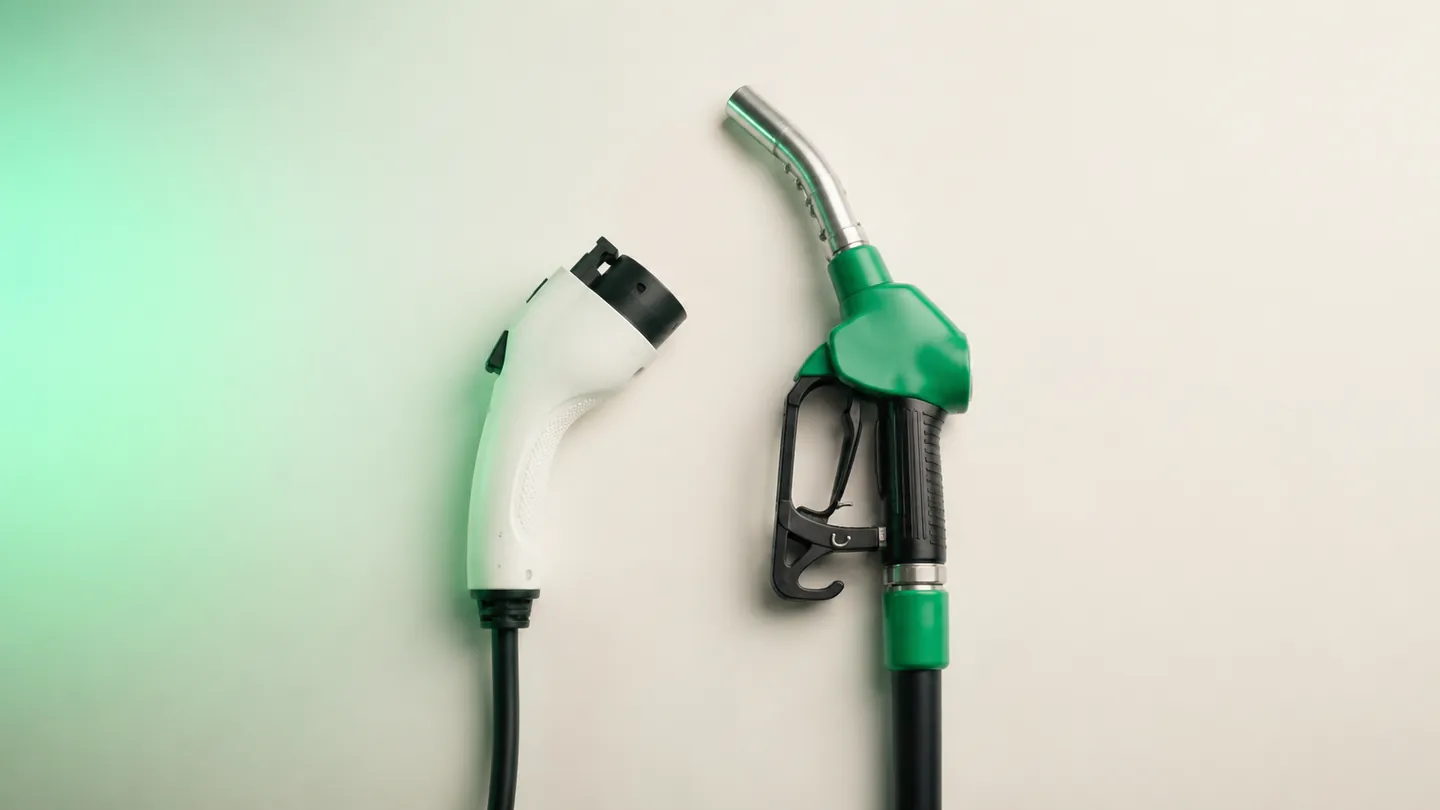
"EVs are cheaper to run" gets repeated so often it's almost stopped meaning anything. So we did the actual sums for 2026 — fuel against charging, plus servicing, tax and insurance — to find where it's true, and where it quietly isn't.
Fuel vs charging: the number that decides it
Most of the difference lives in one figure: cost per mile to move the car. Here's how 2026 shakes out for a typical family car.
| How you fuel it | Roughly, per mile |
|---|---|
| Petrol (~150p/litre, ~45mpg) | 17–19p |
| EV — home, off-peak tariff (~7p/kWh) | 2–3p |
| EV — home, standard rate (~26p/kWh) | ~7p |
| EV — public rapid (65–85p/kWh) | 15–22p |
Illustrative 2026 UK figures assuming roughly 3.5–4 miles per kWh. Your real numbers depend on the car, your tariff and how you drive.
But "charging" isn't one price — it's the whole story
Look again at that table. A home charger on an overnight EV tariff runs the car for a fifth to a tenth of petrol's cost per mile. That's the headline everyone quotes, and it's real. But charge that same car exclusively on public rapid chargers and the cost per mile climbs to petrol territory or above.
The honest version of "are EVs cheaper?" is: can you charge at home overnight? If yes, the fuel saving is large and dependable. If you'd rely on public rapids, the saving narrows sharply and can disappear. It's not really a petrol-vs-EV question — it's a home-vs-public one.
The other lines: servicing, tax, insurance
Servicing. EVs usually win here — fewer moving parts, no oil changes, less to wear out. Not zero (tyres, brakes, the odd fault — and regenerative braking brings quirks of its own), but generally lighter.
Road tax. The gap has closed. Since April 2025, electric cars pay standard VED like everything else — and a pricier EV over the £50,000 list-price threshold now catches the expensive-car supplement too. Still modest, but no longer free.
Insurance. EVs often cost a little more to insure — higher values and pricier repairs — though it varies by model and is slowly settling as they become normal.
So, is an EV actually cheaper?
On fuel, if you charge at home: almost certainly, and by a wide margin. Add cheaper servicing and it's a clear running-cost win. Lean on public charging, or buy an expensive one, and the maths gets closer — sometimes close enough that it comes down to whether you simply prefer driving electric. The only way to know your answer is to track what you actually spend per mile, not what a headline promises.
Your real cost per mile, whatever you drive.
Log fuel-ups or charge sessions — home and public split out — and MileMind shows what your car actually costs to run per mile, petrol, diesel or EV. No guesswork, just your numbers.
Download on App StoreIllustrative 2026 UK figures for general information only, not financial advice. Fuel, electricity and charging prices move constantly and vary by supplier, tariff and location — treat these as a guide and check current rates for your own situation.