 MileMind
Fuel & EV
Regenerative braking problems: why EV brakes rust and seize
Regen does most of the stopping — which is exactly why the brakes it saves can quietly rust and seize.
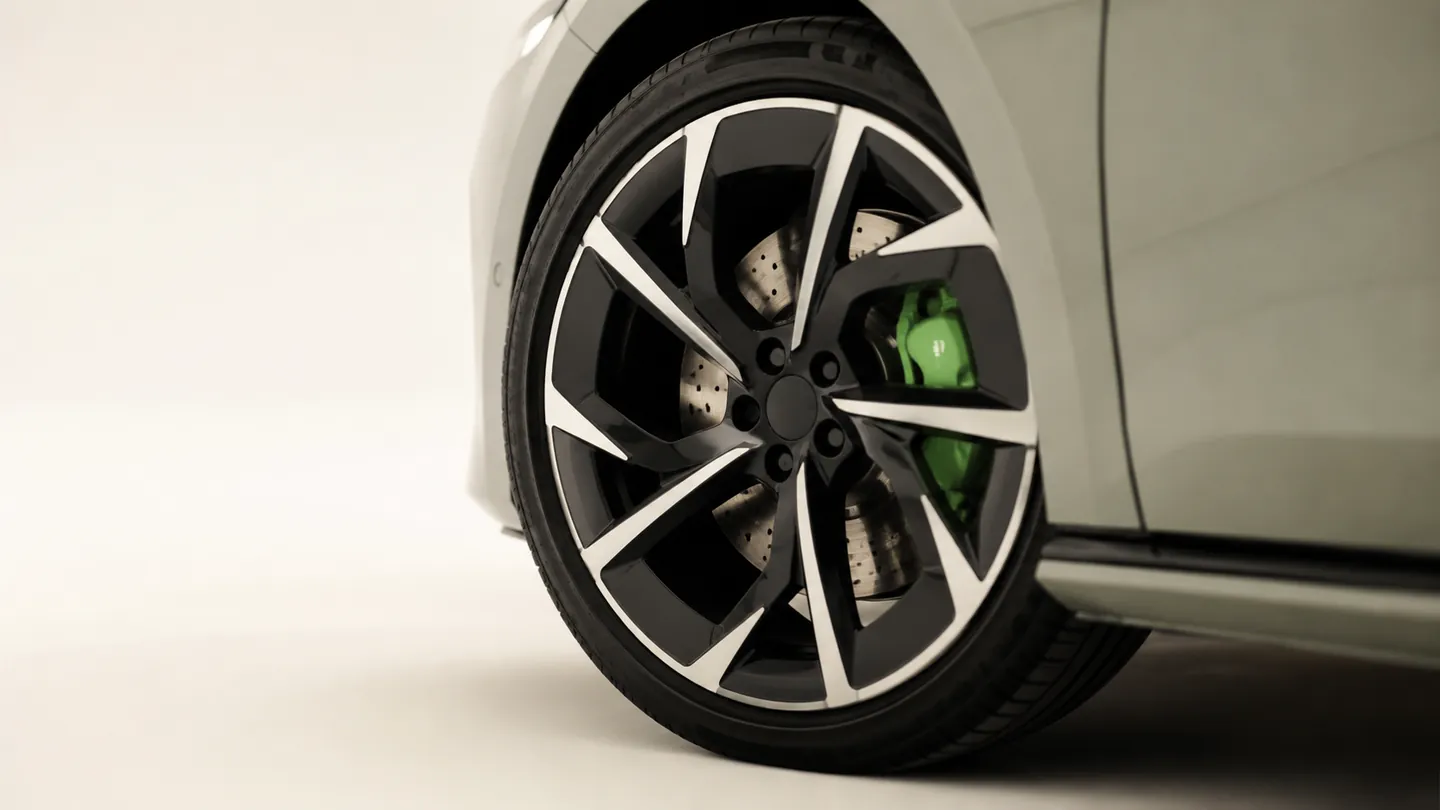
Regenerative braking is one of the quiet joys of driving electric — lift off the accelerator and the car slows itself, topping up the battery as it goes. But it can catch you out in two very different ways: it isn't always there when you expect it, and the brakes it saves can quietly rot from lack of use.
What regen braking actually does
Normally, braking wastes energy — your brake pads grip the discs, friction slows the car, and all that motion turns into heat that vanishes into the air. Regenerative braking recovers some of it. When you lift off, the electric motor runs backwards as a generator, using the car's momentum to push charge back into the battery. It slows you down and hands a little range back. On a lot of EVs the effect is strong enough for one-pedal driving — you can bring the car almost to a stop without touching the brake pedal at all.
That's the good part, and it's genuinely clever. The problems come from what it hides.
Problem one: regen isn't always there
Drivers get used to that reassuring tug the instant they lift off — and then one morning it isn't there, and the car coasts on far further than expected. It's not a fault. Regen quietly backs off in a few normal situations:
- A cold battery. On a frosty morning the battery can't safely absorb a big jolt of charge, so the car dials regen right down — sometimes to almost nothing — until it warms up. Exactly when the roads are slippery, you get less automatic slowing, not more.
- A full battery. Charged to 100% and heading downhill from home? There's nowhere for the recovered energy to go, so regen is limited or off until you've used some charge.
- Low speed. As you slow to a crawl, regen fades and the normal friction brakes quietly take over to actually hold the car still.
None of this is dangerous once you know it — the ordinary brake pedal is always there and does exactly what it always did. But it does mean the golden rule of EV driving: the brake pedal is not optional. If you've drifted into treating one-pedal driving as the only pedal, a cold morning is a rude reminder to keep the other foot honest.
Problem two: brakes that never get used seize up
Here's the counter-intuitive one. Because regen does most of the slowing, the friction brakes on many EVs — especially the rear ones — barely get touched for weeks at a time. Brakes are happiest when they're used: a bit of regular friction keeps the discs shiny and the calipers moving freely. Leave them idle and the opposite happens.
Sat unused, brake discs grow a film of rust, road salt and grime sits on them over winter, and the caliper — the clamp that squeezes the pads — can partially seize. The results show up as a rough, grinding feel under braking, uneven wear, or a caliper that sticks on and drags. It's a well-known enough pattern that plenty of EVs and strong hybrids pick up MOT advisories or failures for corroded or binding rear brakes — on cars with barely any mileage on them. The very feature that should make brakes last forever can, left alone, be what kills them.
The irony worth remembering: EV brakes don't usually wear out — they rust out. Long life from light use only holds if the brakes stay healthy. A seized caliper on a two-year-old EV is a repair bill, not a badge of low mileage.
What to actually do about it
None of this is a reason to avoid an EV — it's a reason to drive and service one slightly differently.
- Use the brake pedal on purpose. Every week or two, on a clear, dry road with nobody behind you, do a few firm, deliberate stops with the actual brake pedal. It scrubs the discs clean and keeps the calipers moving. Thirty seconds of habit saves the seizing.
- Don't skip brake servicing because "EVs don't wear brakes". They still need the pads, discs and calipers checked and cleaned, and the brake fluid changed on the normal schedule (roughly every two years — fluid absorbs moisture whether you brake or not).
- Expect less regen in winter and in the first few miles from cold. Leave more room, and don't be surprised when the car coasts.
- Watch the rear brakes especially if the car sits outside through a salty winter and does mostly gentle, low-speed miles — that's the exact recipe for corrosion.
Where this hits the wallet
A seized caliper or a set of corroded rear discs is the kind of bill that ambushes people precisely because they'd been told EV brakes last forever. It sits in the same bucket as the small, easy-to-forget costs that never make it into anyone's "EVs are cheaper to run" sum — real, occasional, and a lot cheaper to prevent than to fix. Knowing it's coming is most of the battle.
Keep an eye on what your EV really costs.
Log a brake job, a service or a caliper repair into MileMind and it lands in your car's running total — so the "cheap to run" story stays honest and nothing quietly slips through. Projected costs stay separate from what you've actually spent.
Download on App StoreRegenerative braking is a genuine upgrade — more range, less wear, a nicer drive. It just asks for two small adjustments: keep using the brake pedal, and keep servicing brakes you rarely feel. Do that, and the only thing regen breaks is your old habits.
This article is general information for UK EV drivers in 2026, not mechanical, safety or financial advice. How regen behaves varies by make and model, and brake condition depends on your car, climate and driving — always follow your handbook and have brakes checked by a qualified mechanic.